What sets human consciousness apart in the age of AI?

Loading player...
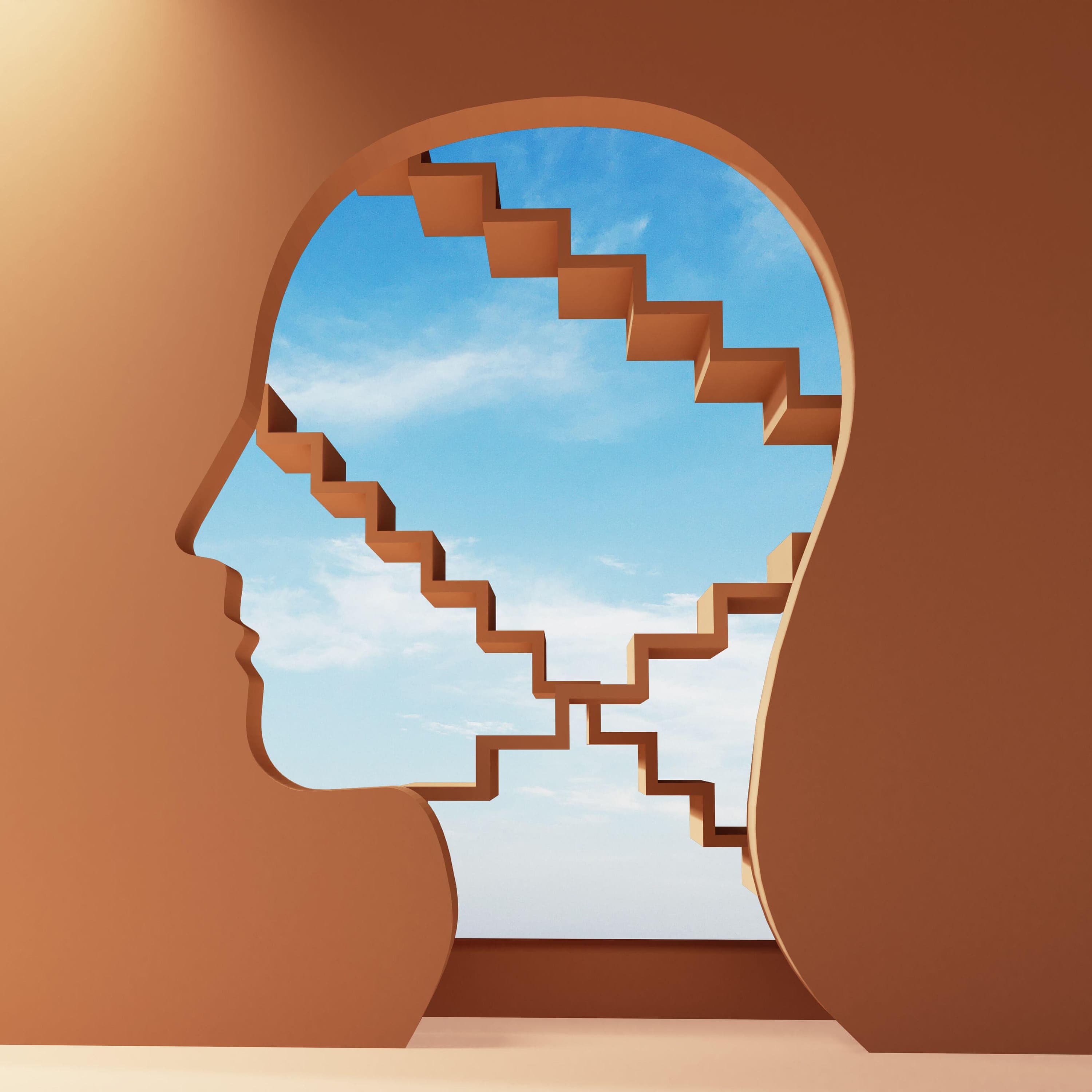
Why is it like something to be ourselves and how do physical processes create our subjective experience? These questions get to the heart of the knotty problem of consciousness, and they provided the spark for the latest book from award-winning author and journalist Michael Pollan. In A World Appears, Pollan goes in search of answers about what we do and don’t know about consciousness, and why it has proven such an elusive phenomenon. He tells Ian Sample how thoughts and feelings shape our conscious experience, whether we can learn anything about human consciousness from AI, and why he thinks our minds need to be defended in today’s technology saturated world. Help support our independent journalism at theguardian.com/sciencepod

24 Mar English United Kingdom Science · Nature

Other recent episodes

What is a food intolerance, and how do you know if you have one?

Social media is awash with content about food intolerances and the symptoms to look out for. But figuring out whether you actually have one, and what’s triggering it, is surprisingly difficult. One avenue people are gravitating towards is at-home testing. Madeleine Finlay sits down with health and lifestyle journalist Rebecca…
28 Apr 17 min

Mythos: are fears over new AI model panic or PR?

Earlier this month the AI company Anthropic said it had created a model so powerful that, out of a sense of responsibility, it was not going to release it to the public. Anthropic says the model, Mythos Preview, excels at spotting and exploiting vulnerabilities in software, and could pose a…
21 Apr 15 min