Does going to the moon still matter?

Loading player...
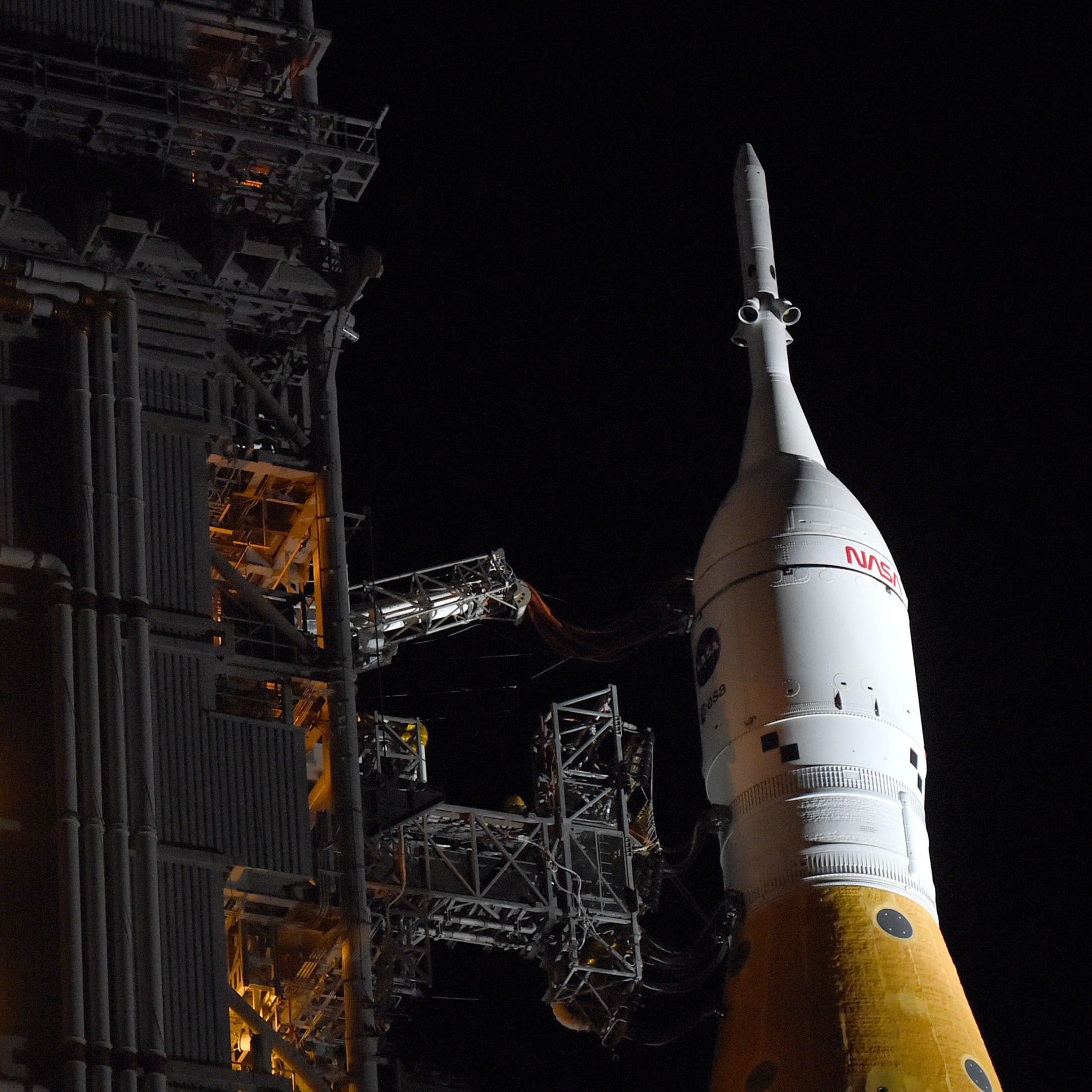
If all goes to plan, Artemis II, Nasa’s mission to return humans to the moon, will launch this week. The mission will mark the farthest that humans have travelled from Earth, and the first return to the moon in more than 50 years. It will also pave the way for landing on the moon again as soon as 2028. But given the Apollo missions have already achieved that feat, does going back to the moon still matter today? To find out, Madeleine Finlay hears from the Guardian’s science editor, Ian Sample, the Atlantic journalist Ross Andersen, and Jan Wörner, a former director general of the European Space Agency. Help support our independent journalism at theguardian.com/sciencepod
31 Mar English United Kingdom Science · Nature

Other recent episodes

Can a name change transform PCOS outcomes for women?

After more than a decade of global consultation, polycystic ovary syndrome – which affects as many as one in eight women – has been renamed. The condition is caused by high levels of androgens, which can lead to symptoms such as excess hair, weight gain and irregular periods. To understand…
21 May 16 min

Ebola outbreak: what do we know and can it be contained?

An outbreak of Ebola has emerged in the Democratic Republic of Congo and Uganda, which has led to nearly 400 confirmed cases and more than 100 deaths. To find out how the outbreak might have begun, what authorities can do to contain it and why this outbreak is causing particular…
18 May 13 min

Hantavirus update, Pentagon’s UFO files, can art slow biological ageing?

Madeleine Finlay sits down with co-host and science editor Ian Sample to discuss three eyecatching stories from the week, including an update on hantavirus. Also on the agenda is the Pentagon’s release of a tranche of never before seen documents relating to UFOs, and a study looking at the link…
14 May 21 min